Books and resources designed to ignite engagement and transform assessment practices.
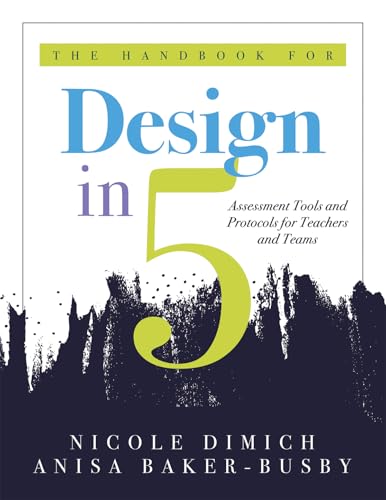
Authors Nicole Dimich and Anisa Baker-Busby deliver the ultimate practical handbook on assessment for educators. Using the framework from Design in Five, Second Edition, this companion guide simplifies complex work into step-by-step protocols and editable templates for teachers. The examples and tools facilitate implementing and using all phases of the Design in Five process, saving time, ensuring student investment, and increasing achievement.
This second edition of the best-selling, award-winning Design in Five offers new and targeted information for reimagining assessment practices, as well as refined processes and protocols to fully engage learners. Refinements to the original five-phase protocol come from the actual experiences of teachers who have engaged with the process. This is the book you need to design and use assessment well.
The second edition of the bestseller Taking Action delves deeper into how educators can leverage the PLC at Work® process to create a highly effective multitiered system of supports. This step-by-step guide defines—tier by tier—the essential actions of the guiding coalition, teacher teams, and intervention team. New recommendations and tools are included to target assessments, engage students, and address resistance.
An age-old question universal to all teachers is “How do we get our students to care about their learning?” Jackpot! delivers actionable strategies to achieve that most important outcome of assessment—student investment. Not only does the book offer tools you can use, but it also addresses the mindset shift necessary for teachers to set students up for success as partners in their own learning.
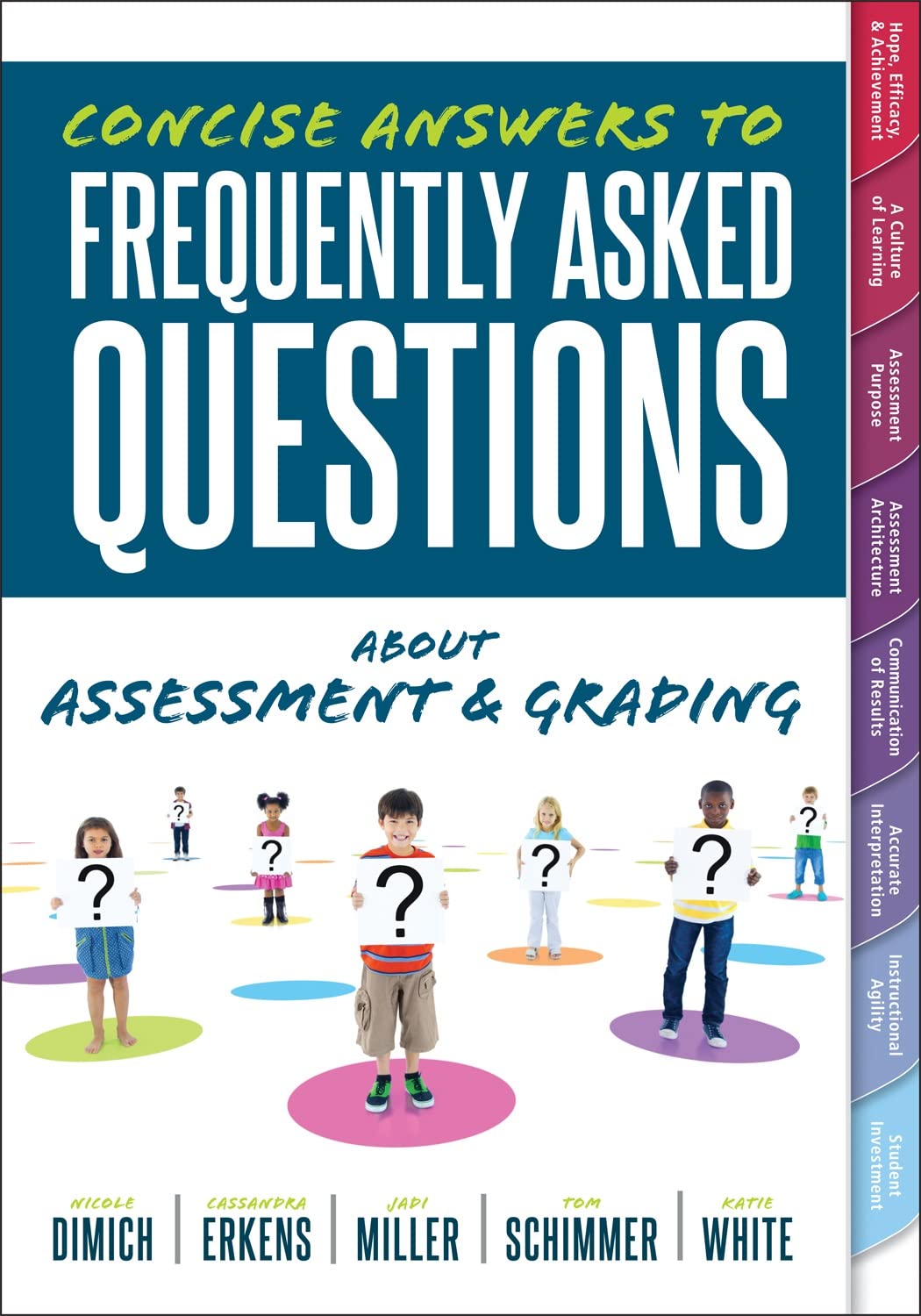
Get answers to your most challenging questions about implementing effective assessment and grading practices. How do we use assessments to increase hope, efficacy, and achievement? Is reassessment important? Can we change grading practices when stakeholders don’t want us to? All of these questions, and dozens more, are answered concisely, making it easy to build strong assessment and grading practices quickly.
Rapid innovation is transforming the way people think, work, and connect. For students to succeed today, they must acquire the knowledge and 21st century skills required for college and career readiness. Practical and research-based, this resource will help you design meaningful, relevant skill assessment and instruction that promotes student mastery of critical competencies, including collaboration, problem-solving and critical thinking skills, creative thinking skills, communication skills, digital citizenship, self-regulation, and more.
The true power of assessment comes when emerging results determine what comes next in student learning. This practical book empowers educators and their teams, schools, or districts to move seamlessly between instruction, formative assessment, and feedback, improving school culture more effectively than traditional methods. Instructional agility enhances ownership of learning, proficiency, and motivation for students, and promotes a positive school culture. Each chapter concludes with reflection questions that assist readers in determining next steps for supporting the whole child and the whole learning process.
While much research has revealed which assessment practices have the most positive impact on student achievement and instruction, out-of-date, unproductive practices, which students find disengaging and disheartening, still persist. Discover how to use the power of assessment to instill hope, efficacy, and achievement in your students. With this research-based resource, you’ll explore six essential tenets of assessment—assessment purpose, communication of assessment results, accurate interpretation, assessment architecture, instructional agility, and student investment—that will help deepen your understanding of assessment to not only meet standards but also enhance students’ academic success and self-fulfillment.
A practical, hands-on guide to help teachers get all students excited about learning. Authors Carolyn Chapman and Nicole Vagle realize the importance of motivation in the classroom and the repercussions when students are unmotivated and unengaged.
The Principal as Assessment Leader explores the importance of effective classroom assessment to student achievement and the role of school leaders to model and spark positive change through building teacher literacy, providing targeted professional development, acquiring appropriate technology, and more. With insights from expert practitioners, this book offers to help schools make the shift to best-practice assessment for districtwide improvements in student learning.